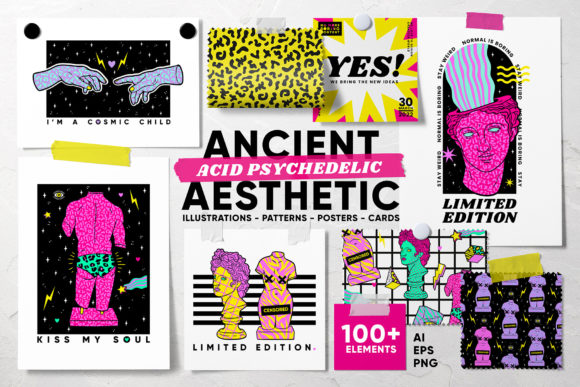
Acid Psychedelic Ancient Aesthetic: A Modern Creative Guide
The collision of classical antiquity and neon-drenched surrealism has created one of the most compelling visual movements in contemporary design. Known as the Acid Psychedelic Ancient Aesthetic, this style bridges the gap between the timeless stability of Greek sculpture and the fluid, mind-bending energy of modern trippy art. It is not merely a trend; it is a versatile toolkit for creators who want to disrupt the mundane. By merging marble textures with geometric shapes, arches, and stairs rendered in electric hues, this aesthetic offers a fresh language for communication across digital and physical mediums.
At its core, this aesthetic relies on contrast. The rigid, idealized forms of ancient statues provide a grounding element, while the "acid" component introduces chaos through vibrant colors and surreal distortions. This combination captures attention immediately because it feels both familiar and entirely new. For designers, marketers, and hobbyists, understanding how to leverage these elements can transform a standard project into a standout piece of visual storytelling.
Deconstructing the Visual Language
To effectively use the Ancient Acid Psychedelic Aesthetic, one must understand its constituent parts. It is a big set of thematic illustrations where history meets hallucination. The foundation often starts with Greek sculpture or modern statues that have been reimagined. These figures are rarely left in their original monochromatic state. Instead, they are bathed in neon bright colors, surrounded by floating geometric shapes, or placed within impossible architectural structures like endless stairs or glowing arches.
The power of this style lies in its modularity. A collection of ready-made illustrations, stickers, patterns, and clip art allows creators to mix and match components without starting from scratch. Whether you are working with vector files like AI and EPS or high-resolution PNGs, the ability to edit each element means you are not limited to a single look. You can create a fantastic design that ranges from subtly surreal to aggressively psychedelic depending on your specific needs.
Practical Applications for Diverse Creators
The versatility of this aesthetic makes it suitable for a wide array of projects. Because the visual impact is so strong, it works exceptionally well for formats that require immediate engagement. Here is how different professionals can adapt these elements for their specific goals:
- T-Shirt and Apparel Design: The bold lines and high-contrast colors of acid psychedelic art translate perfectly to fabric. A central graphic featuring a distorted statue amidst geometric patterns can become a statement piece for streetwear brands.
- Social Media Graphics: In a feed dominated by scrolling, neon-bright posts stop the eye. Using pre-made cards with editable text allows influencers and businesses to maintain a cohesive brand identity while posting daily content that feels fresh and artistic.
- Packaging and Product Labels: For small business owners selling cosmetics, beverages, or artisanal goods, this aesthetic suggests creativity and premium quality. Seamless patterns can wrap around products, creating an immersive unboxing experience.
- Web and App Interfaces: While often associated with print, these elements work well in digital UI when used sparingly. Icons, background patterns, and hero images derived from this style can give a website a unique personality that separates it from corporate templates.
- Event Posters and Flyers: Music festivals, art gallery openings, and cultural events benefit from the energetic vibe of this style. The combination of arches and surreal elements creates a sense of entry into a different world, enticing attendees.
Strategies for Effective Implementation
While the Ancient Acid Psychedelic Aesthetic is inherently loud, successful application requires restraint and organization. Simply throwing every neon element onto a canvas can result in visual noise that confuses the audience. The key is to balance the trippy elements with clear communication goals.
When designing posters or covers, start with a focal point. Perhaps it is a single modern statue altered with surreal features. Use the geometric shapes and arches to frame this subject rather than compete with it. The negative space is just as important as the filled space; it allows the viewer's eye to rest and process the complexity of the image. If you are using seamless patterns for surface design or wallpaper, ensure the repeat is invisible and the color palette supports the mood you wish to evoke.
Technical preparation is also vital. Working with vector files (AI and EPS) ensures that your designs remain crisp regardless of scale. You can resize a logo for a business card or a billboard without any quality loss. Furthermore, the ability to recolor vectors means you can adapt a single asset to fit multiple brand guidelines. For those working primarily in raster environments, utilizing PNG files with transparent backgrounds at 300 DPI guarantees that your overlays blend smoothly into existing photography or textured backgrounds.
Customization and Originality
One of the greatest advantages of using a comprehensive collection of clip art and elements is the potential for customization. While ready-made illustrations save time, editing them allows you to inject your own voice into the work. You might take a standard Greek bust and apply a gradient mesh that shifts from deep purple to electric green, or perhaps integrate a stair motif that defies gravity to lead the viewer's eye toward a call-to-action button.
For educators and publishers, this aesthetic can make dry topics engaging. Imagine a history presentation where classical figures are reimagined with modern, psychedelic twists to highlight their enduring relevance. Or consider a scrapbooking project where personal memories are framed by surreal arches and patterns, elevating a simple photo album into a work of art. The bonus details often included in these collections, such as font lists, further streamline the workflow, ensuring that typography complements the visual chaos rather than clashing with it.
Maintaining Consistency Across Platforms
For entrepreneurs and marketers building a brand, consistency is crucial. The Acid Psychedelic Ancient Aesthetic offers a rich library of assets that can be standardized across touchpoints. By selecting a specific subset of colors, shapes, and statue styles, you can create a recognizable visual signature. Use the same pattern on your website header, your packaging, and your social media story highlights. This repetition builds brand recall.
However, do not be afraid to vary the intensity. A LinkedIn post might require a more subdued version of the aesthetic, perhaps focusing on the geometric shapes and muted neon tones, while an Instagram campaign can go full throttle with maximum saturation and surreal distortion. Understanding your audience on each platform allows you to dial the "acid" factor up or down while maintaining the core ancient theme.
Final Thoughts on Creative Freedom
The beauty of this design movement is that it invites experimentation. It challenges the creator to look at the past through a futuristic, vibrant lens. Whether you are a freelancer looking to expand your portfolio, a blogger needing eye-catching headers, or a small business owner wanting to refresh your product line, the tools available in this niche are robust.
By leveraging organized folders of high-quality assets, you spend less time searching for resources and more time creating. The fusion of the ancient and the psychedelic proves that history is not static; it is a canvas waiting for new colors. Embrace the surreal, utilize the geometric, and let the neon guide your next project toward something truly fantastic.