Bringing the Wild to Life: A Guide to Using Jungle Clipart and Safari Animals in Your Designs
Creating visually engaging content often requires more than just good text; it demands imagery that captures attention and evokes emotion. For designers, crafters, and event planners, finding high-quality graphics that balance whimsy with professionalism can be a significant hurdle. This is where Jungle Clipart, Safari themes, and specific Safari Animals become invaluable assets. Whether you are designing a wedding invitation suite, planning a nursery, or creating digital content for a blog, incorporating hand-painted watercolor elements can transform a standard project into a memorable experience.
The challenge many creators face is sourcing images that do not look generic or overly digital. Stock photography can feel stiff, while low-resolution clipart often appears pixelated when printed. The solution lies in utilizing high-resolution, hand-painted watercolor collections. These resources offer the organic texture of traditional art with the flexibility of digital files, allowing you to bridge the gap between artistic vision and practical application.
Understanding the Value of Hand-Painted Watercolor Elements
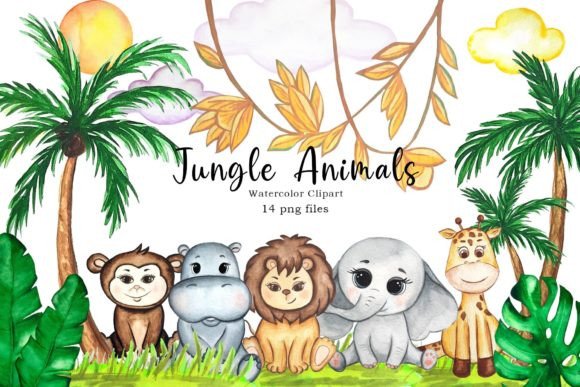
When we discuss Jungle Clipart in the context of professional design, we are referring to more than just pictures of animals. We are talking about a cohesive visual language. A set featuring Safari Animals like giraffes, lions, hippos, monkeys, and elephants, rendered in a hand-painted watercolor style, brings a softness and warmth that vector graphics often lack. The watercolor technique introduces natural variations in color saturation and edge softness, making each element feel unique and artisanal.
For adults seeking practical design solutions, the technical specifications of these files are just as important as their aesthetic appeal. High-quality packs typically include RGB PNG files with transparent backgrounds. This transparency is crucial because it allows you to layer images over various colors and textures without unsightly white boxes surrounding the subject. Furthermore, resolution matters immensely. Files sized approximately 3000 x 3000 pixels at 300 DPI ensure that your Safari themed designs remain crisp whether they are viewed on a high-definition screen or printed on large format paper up to 12x12 inches.
Solving Common Design Challenges
One of the primary goals for anyone using Jungle Clipart is to create a unified theme without spending hundreds of hours illustrating from scratch. Consider the scenario of planning a baby shower or a first birthday party. The theme might be "Wild One" or "Safari Adventure." Sourcing individual images of a lion here and a palm tree there often results in a mismatched collection where lighting, style, and color palettes clash. By utilizing a curated set of Safari Animals and complementary elements like clouds and foliage, you ensure visual consistency across all materials.
Another common situation involves the need for versatility. A graphic designer might need an elephant illustration for a wedding invitation one day and the same elephant for a fabric print pattern the next. Purchasing physical artwork limits this flexibility. Digital downloads solve this by providing instant access to a library of elements. Since these are digital products, there is no shipping wait time, allowing you to meet tight deadlines efficiently. You purchase, download, and immediately begin integrating these assets into your workflow.
Practical Applications Across Different Industries
The utility of a comprehensive Jungle Clipart and Safari Animals pack extends far beyond simple decoration. Different users approach these resources with distinct objectives, yet the core value remains the same: enhancing communication through visuals.
- Event Planning and Stationery: For wedding invitations and greeting cards, the soft edges of watercolor Safari Animals add a touch of elegance that avoids the childish look often associated with cartoon animals. A giraffe peeking over the text or a subtle monkey silhouette can serve as a charming watermark or border element.
- Digital Content Creation: Bloggers and social media managers often need fresh visuals to break up text-heavy posts. Using high-resolution PNGs of jungle clouds or palm leaves can create custom headers or background patterns that align with a brand's identity without infringing on copyright issues common with random internet searches.
- Product Design and Merchandising: Entrepreneurs looking to sell physical goods, such as tote bags, nursery wall art, or fabric, can use these 300 DPI files for direct printing. The high resolution ensures that the texture of the watercolor paint translates well onto physical surfaces, adding perceived value to the final product.
- Scrapbooking and Personal Projects: For those engaged in digital or physical scrapbooking, having a mix of fauna (lions, hippos) and flora (palms) allows for the creation of dynamic layouts. The ability to resize elements without losing quality means you can create both focal points and subtle background details from the same source file.
Implementation Strategies for Maximum Impact
To get the most out of your Jungle Clipart resources, it is essential to think about composition and layering. Because these files come as separate images, you have the freedom to build your own scenes. Instead of using a pre-made cluster of animals, try scattering a lone elephant near a cloud element to create negative space, which draws the eye to your text. This approach is particularly effective for quotes or blog titles where readability is paramount.
Color manipulation is another powerful tool. While hand-painted watercolors come with their own beautiful palette, many design software programs allow you to adjust hue and saturation slightly to better match your specific brand colors. However, one should proceed with caution; the charm of Safari Animals in watercolor often lies in their natural, earthy tones. Over-saturating a lion or turning a hippo neon can detract from the sophisticated, organic feel that makes these clips desirable in the first place.
Furthermore, consider the medium you are designing for. If you are creating patterns for fabric printing, repetition is key. Take a palm leaf and a monkey from your set, arrange them in a seamless tile, and you have a custom textile design ready for production. For web design, optimize the file size after downloading to ensure fast loading times while maintaining visual clarity on retina displays.
Tailoring the Approach to Your Audience
Different users will leverage Safari themed graphics differently based on their end goals. A teacher creating classroom decorations might focus on bold, recognizable shapes of animals to engage young students, using the clipart to label bins or create welcome signs. In contrast, a graphic designer working on a luxury brand campaign might use the faint texture of a watercolor cloud as a subtle background overlay to add depth without distraction.
For the DIY enthusiast, the immediate availability of these files removes the barrier of entry. You do not need to know how to paint or draw to achieve a hand-crafted look. The "purchase, print, and enjoy" model empowers individuals to produce professional-grade materials from home. Whether it is printing a poster for a child's room or designing a custom envelope liner for a wedding, the control is entirely in your hands.
Making the Right Choice for Your Project
When selecting a Jungle Clipart pack, always verify the file format and resolution. Ensure you are getting PNG files with transparency, as JPGs will leave you with white backgrounds that are difficult to remove cleanly. Additionally, check the dimensions; files around 3000 pixels wide provide the necessary headroom for cropping and resizing. A set containing 14 or more elements offers enough variety to prevent repetition in your designs, giving you a lion, a giraffe, a hippo, a monkey, an elephant, and essential nature elements like clouds and palms to tell a complete visual story.
In conclusion, integrating Safari Animals and Jungle Clipart into your creative toolkit is a strategic move for anyone looking to elevate their visual content. It addresses the need for high-quality, versatile, and aesthetically pleasing graphics while solving the logistical challenges of sourcing and licensing. By understanding how to layer, scale, and apply these hand-painted watercolor elements, you can create outcomes that resonate with your audience, whether they are viewing a digital blog post or holding a physical invitation in their hands. The wild has never looked so refined and accessible.