Color Your Day: Unlocking Creativity with Watercolor Sublimation Art
In the ever-evolving landscape of digital design and handmade crafts, finding assets that bridge the gap between professional quality and artistic soul can be a challenge. Designers, small business owners, and hobbyists alike are constantly searching for resources that offer versatility without sacrificing aesthetic appeal. This is where the concept of Color Your Day comes into play. More than just a collection of images, this approach represents a philosophy of infusing daily projects with vibrancy, emotion, and a hand-painted touch. At the heart of this creative movement lies a specific type of asset: watercolor sublimation clipart. These digital tools are reshaping how we approach everything from planners to apparel, offering a seamless blend of traditional artistry and modern technology.
The Essence of Watercolor in a Digital World
Watercolor has long been celebrated for its transparency, fluidity, and organic textures. Unlike digital vectors that can sometimes feel rigid or overly perfect, watercolor brings a sense of humanity to a design. It mimics the way paint bleeds into paper, creating soft edges and unique color gradients that are difficult to replicate with standard software tools. When you integrate Color Your Day elements into your workflow, you are essentially importing this organic feel into a digital environment.
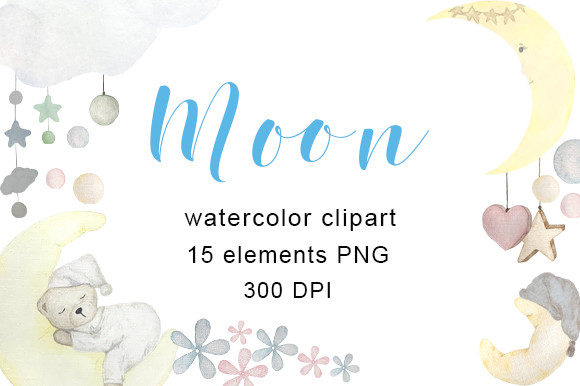
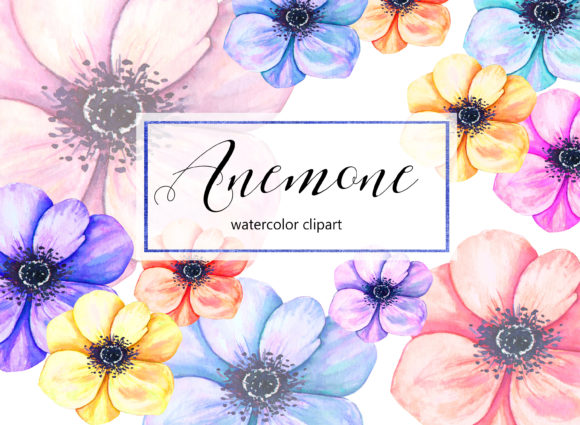
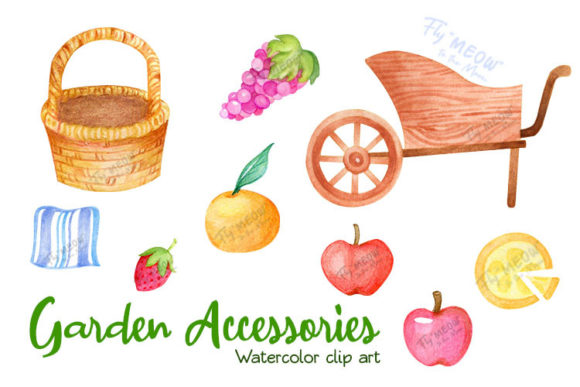
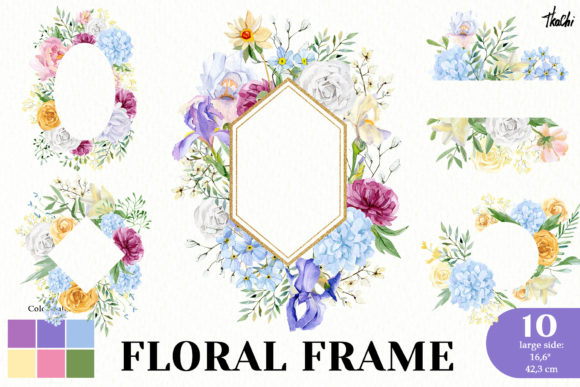
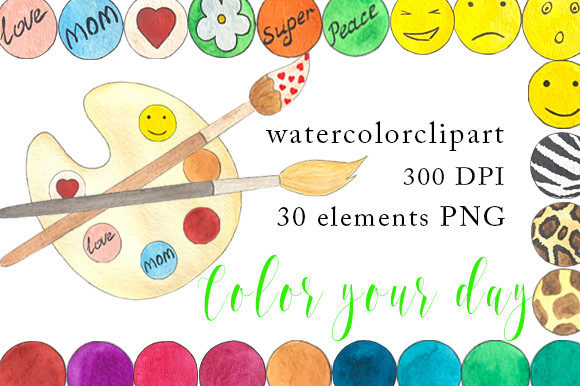
The specific value of high-resolution watercolor sublimation clipart lies in its adaptability. A typical set, such as one containing 30 PSD files, offers more than just static images. These files are engineered for flexibility. With approximate dimensions of 3000x3000 pixels (roughly 10x10 inches) at 300 DPI, these elements are print-ready for high-quality outputs. The use of the PSD (Photoshop Document) format is crucial here. Unlike flat JPEGs, PSD files often come with separate layers or transparent backgrounds, allowing creators to isolate specific flowers, splashes, or textures. This separation is vital for composite designs where you might need to layer a watercolor splash behind text or weave it into a complex pattern.
Understanding Sublimation and Its Synergy with Watercolor
To fully appreciate the utility of these assets, one must understand the medium they are often designed for: sublimation printing. Sublimation is a process where heat and pressure are used to turn solid dye into gas, which then bonds with polyester fibers or polymer-coated surfaces. The result is a print that becomes part of the material rather than sitting on top of it. This method is renowned for its durability and vibrant color retention.
Watercolor art is uniquely suited for sublimation. Because sublimation printers excel at reproducing continuous tones and gradients, the soft transitions inherent in watercolor paintings translate beautifully onto mugs, t-shirts, and tote bags. When you utilize a Color Your Day inspired pack, you are leveraging this synergy. The high resolution ensures that even when the image is stretched over a curved surface like a mug, the details remain crisp, and the colors do not pixelate. The RGB color mode of these files is specifically optimized for digital displays and modern inkjet sublimation printers, ensuring that the screen-to-print color shift is minimized.
Diverse Applications for Creators and Businesses
The true power of these digital assets is revealed in their application. The versatility of a 30-element pack means that a single purchase can fuel dozens of different projects across various industries. Let us explore how different users can leverage these tools.
- Planner and Journal Enthusiasts: The rise of digital planning has created a massive demand for decorative elements. Watercolor clips are perfect for decorating digital planner pages in apps like GoodNotes or Notability. They add a personal, artistic flair that standard stickers cannot match. Furthermore, for those who print their own planners, the 300 DPI resolution ensures that the printed pages look professional and gallery-worthy.
- Apparel and Merchandise Design: For business owners selling on platforms like Etsy or Shopify, creating unique clothing lines is essential. Watercolor sublimation designs can be printed onto all-over print shirts, leggings, or swimwear. The organic nature of the watercolor style hides minor alignment imperfections better than geometric patterns, making it forgiving for DIY creators.
- Invitations and Stationery: Weddings, baby showers, and corporate events often require a delicate touch. Watercolor florals and abstract washes are timeless choices for invitations. By using separate image layers from a PSD file, a designer can arrange elements to frame text perfectly, creating a custom look without hiring an illustrator.
- Scrapbooking and Papercraft: Both digital and physical scrapbookers benefit from these assets. In physical crafting, these images can be printed on high-quality cardstock and used for decoupage on boxes, frames, or furniture. The texture of the watercolor adds depth to these 3D projects.
- Web and Blog Design: In the digital realm, these images serve as excellent headers, background overlays, or accent graphics for blogs. They soften the starkness of white space and guide the reader's eye through the content in a gentle, engaging manner.
Evaluating Suitability: Is This Right for Your Project?
While the benefits are numerous, it is important to approach these assets with a clear understanding of your specific needs. Not every project requires the high fidelity of a 3000x3000 pixel PSD file. If you are creating small icons for a mobile app interface, such high-resolution files might be overkill and could slow down your workflow if not optimized. However, for any project involving physical printing, the extra resolution is not just a luxury; it is a necessity.
Consider the surface you are printing on. Sublimation works best on light-colored, polyester-based materials. If you intend to print on dark cotton t-shirts, standard sublimation will not work as the white ink is not transferred in the process. In such cases, the watercolor clipart might need to be used in a different printing method, such as Direct-to-Garment (DTG) or heat transfer vinyl, where the file format (PSD with transparency) remains highly advantageous. The Color Your Day philosophy encourages you to experiment, but technical constraints of the printing method must always be respected.
Another consideration is the editing capability. To get the most out of 30 PSD files with separate images, basic knowledge of layer management in software like Adobe Photoshop, GIMP, or Affinity Photo is beneficial. If you are strictly a drag-and-drop user without layer editing skills, you might find the full potential of these files slightly underutilized, though they still function perfectly as standalone high-quality images.
Maximizing Value Through Creative Combinations
The real magic happens when you stop viewing these 30 elements as individual pictures and start seeing them as a palette. A single watercolor leaf can be duplicated, rotated, and color-adjusted to create a seamless border. A soft blue wash can be overlaid with a floral element to create depth. The "separate images" feature mentioned in high-quality packs is the key to this modularity. It allows you to build scenes that never existed in the original file.
For logo creation, watercolor elements can provide a boutique feel. A bakery, a yoga studio, or a children's brand might find that a watercolor overlay gives their logo a friendly, approachable vibe that solid vector logos lack. However, when using these for logos, remember that scalability is key. While 3000 pixels is large, vector formats are theoretically infinite. Therefore, watercolor logos are best suited for brands that primarily operate in digital spaces or on fixed-size merchandise, rather than those needing massive billboard signage.
Practical Expectations and Best Practices
When downloading and using these instant download packs, organization is your best friend. With 30 files, it is easy to lose track of specific elements. Create a library system where you tag images by color, theme, or element type. This turns a simple download into a long-term resource library.
Furthermore, always check the licensing terms. While these assets are perfect for commercial use in many contexts, understanding the limits—such as whether you can resell the raw files or only the finished printed product—is crucial for maintaining ethical business practices. Most reputable shops providing Color Your Day style assets allow for unlimited end-product sales but prohibit redistributing the digital files themselves.
In conclusion, integrating watercolor sublimation clipart into your creative toolkit is a strategic move for anyone looking to elevate their design game. It offers a practical solution to the desire for handmade aesthetics in a mass-production world. Whether you are designing a wedding invitation, launching a clothing line, or simply adding beauty to your daily planner, these high-resolution, layered assets provide the foundation for endless creativity. By understanding the technical strengths of sublimation and the artistic value of watercolor, you can truly Color Your Day and the days of your customers with art that resonates.
As you explore the possibilities, remember that the limitations are often only defined by your imagination. The combination of high DPI, transparent layers, and organic textures creates a sandbox where professional results are accessible to everyone. Thank you for visiting this exploration of digital art resources, and may your future projects be filled with color and inspiration.