Mastering the Abstract Floral Frame: A Designer's Guide to SVG Versatility
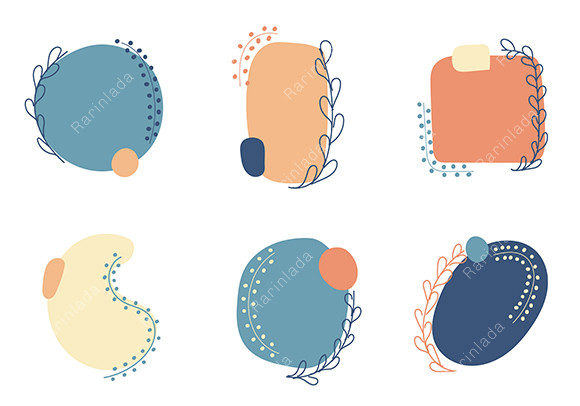
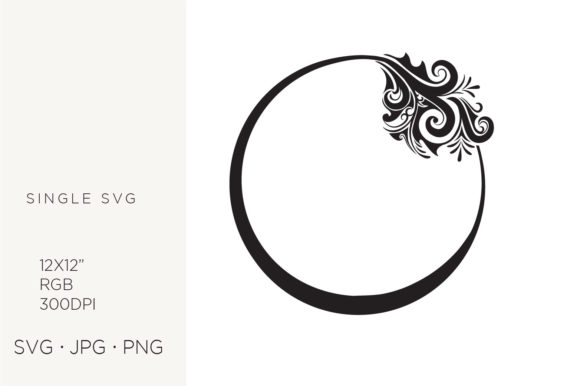
There is a distinct satisfaction in finding a digital asset that feels both timeless and infinitely adaptable. The Abstract Floral Frame, Design Svg represents exactly this kind of versatile resource for modern creators. Whether you are a seasoned graphic designer working on a high-end branding package or a hobbyist looking to create handmade cards for a local market, the quality of your source files dictates the ceiling of your final product. These vector-based elements, typically crafted in professional environments like Adobe Illustrator with an artboard size of 12 x 12 inches at 300 DPI, offer a robust foundation for everything from wall art to web design. However, simply downloading a file is not enough; understanding how to leverage these assets correctly is what separates amateur results from professional-grade output.
Many creators rush into using floral vectors without fully appreciating the technical nuances of the formats provided—SVG, JPG, and PNG. This haste often leads to avoidable frustrations later in the workflow. By taking a moment to evaluate your needs against the capabilities of the file types, you can save hours of rework and ensure your projects, whether they are stationery invitations or complex jewelry designs, maintain their integrity across all mediums.
The Trap of Ignoring Vector Scalability
One of the most common misconceptions among beginners is treating all image files as interchangeable. When you acquire an Abstract Floral Frame, Design Svg, you are gaining access to mathematical paths rather than a grid of pixels. This distinction is critical. A frequent mistake occurs when a user imports the accompanying JPG or PNG into a large-format project, such as a trade show banner or a large piece of wall art, only to discover the image becomes pixelated and blurry when enlarged.
This issue stems from the fundamental difference between raster and vector graphics. The JPG and PNG files included in your download are excellent for immediate use in web headers or social media posts where the dimensions are fixed. However, relying on them for physical products that require scaling is a costly error. If you attempt to print a low-resolution raster image on a large canvas, the result is a grainy, unprofessional appearance that can damage your brand reputation or ruin a client gift.
The Better Approach: Always prioritize the SVG file for any project where size flexibility is required. Because these files are made in a vector program like Adobe Illustrator, they can be scaled up to the size of a billboard or down to the size of a stamp without losing a single ounce of sharpness. Before you begin designing, ask yourself: "Will this need to change size?" If the answer is yes, open the SVG in your vector editor immediately. This ensures that whether you are creating a small logo for a business card or a massive announcement poster, the lines of the floral frame remain crisp and clean.
Overlooking Color Palette and Resolution Context
Another area where creators often stumble is misunderstanding the color profile and resolution settings of their source files. The standard delivery for these digital graphics often includes an RGB color palette optimized for screens. While this looks vibrant on a monitor, it can lead to disappointing results when translated to print. A common scenario involves a designer creating a beautiful set of wedding invitations using the default RGB settings, only to find that the printed colors look dull or shifted when produced by a professional printer who expects CMYK data.
Furthermore, while the source artboard is set to 12 x 12 inches at 300 DPI—a gold standard for print quality—importing these elements into a document with mismatched settings can degrade that quality. For instance, placing a 300 DPI vector into a 72 DPI web-only document is fine, but exporting that same document for print without adjusting the settings back to high resolution will result in a fuzzy final product.
Practical Advice for Color and Print: Before finalizing any physical item, such as handmade craft items or printed paper goods, convert your color mode to CMYK if your printer requires it. Most professional vector software allows you to preview how RGB colors will translate to print ink. Additionally, always verify your document setup matches the intended output. If you are designing jewelry packaging or party decor, ensure your workspace is set to 300 DPI from the start. This proactive step prevents the heartbreak of seeing your abstract floral designs lose their vibrancy upon printing.
Misapplying Complex Designs to Small Scales
The intricate nature of an abstract floral frame is its greatest strength, but it can also be a liability if not managed correctly. A frequent oversight is attempting to use highly detailed vector paths on very small surfaces, such as embroidery on a pocket square or engraving on a small piece of jewelry. When an Abstract Floral Frame, Design Svg is shrunk too much, the fine lines and delicate curves can merge together, creating a muddy blob rather than a defined shape.
This lack of clarity affects the usability and aesthetic appeal of the final product. In web design, overly complex vectors can also increase file load times if not optimized, potentially slowing down a user's experience on a blog or e-commerce site. Conversely, simplifying the design too much for a large wall art piece can make it look empty and underwhelming.
To avoid this, consider the viewing distance and the physical constraints of your medium. For small applications like logos on pens or detailed stationery, you may need to simplify the path or remove the smallest decorative elements within the vector editor. For large-scale applications, ensure the complexity adds value rather than noise. Test your design at 100% scale before committing to production. If the details disappear when viewed at arm's length, it is time to adjust the stroke weight or simplify the geometry.
Neglecting Licensing and Commercial Usage Rights
Perhaps the most serious error a professional can make is assuming that downloading a file grants unlimited freedom to use it however they please. While many digital graphics markets offer generous licenses, there are often specific restrictions regarding resale, redistribution, or the number of end products. Entrepreneurs and small business owners must be particularly vigilant here. Using a downloaded floral frame to create a template that you then sell "as-is" to other designers might violate the terms of service, leading to legal complications or account bans on marketplace platforms.
It is essential to read the license agreement associated with your Abstract Floral Frame, Design Svg download. Understand the difference between creating a finished product (like a printed invitation) and selling the digital asset itself. The former is usually permitted; the latter is often restricted.
Checklist Before You Create:
- Verify if the license allows for commercial use on physical goods like t-shirts or mugs.
- Confirm whether you can modify the vector paths significantly to create a new derivative work.
- Check if there are limits on the number of copies you can produce for sale.
- Ensure you are not redistributing the original SVG file to third parties.
By respecting these boundaries, you protect your business and support the ecosystem of creators who produce these valuable tools. Taking the time to understand the file formats, color profiles, scalability, and licensing of your abstract floral frames transforms them from simple clipart into powerful assets. Whether you are an educator making classroom materials, a marketer designing a campaign, or an artist crafting handmade goods, these precautions ensure your vision is realized with the highest possible quality and professionalism.