Online Financial Audit: Transforming Transparency in the Digital Economy
The traditional image of a financial audit often involves dusty filing cabinets, stacks of paper receipts, and auditors hunched over spreadsheets for weeks on end. That era is rapidly fading. In its place, we see the rise of the Online Financial Audit, a dynamic process that leverages cloud computing, real-time data synchronization, and advanced analytics to provide instant visibility into an organization’s fiscal health. For modern businesses, from agile startups to established enterprises, this shift is not merely a technological upgrade; it is a fundamental change in how trust, compliance, and efficiency are managed.
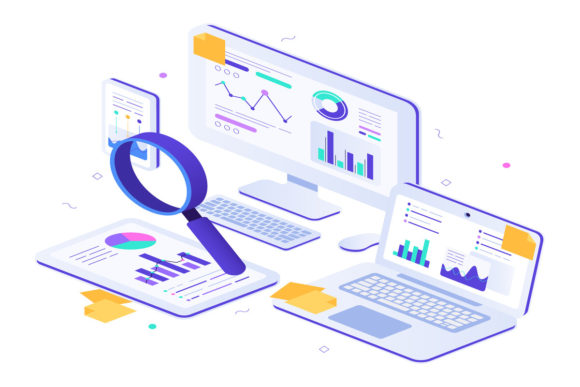
As digital transactions become the norm, the ability to conduct audits remotely and continuously has become a critical competitive advantage. This evolution reflects broader changes in user expectations and business needs. Stakeholders no longer want to wait months for a retrospective report. They demand immediate insights, driven by isometric website metrics and statistical graphs dashboards that visualize complex data in accessible formats. Understanding the mechanics and benefits of online financial auditing is essential for anyone involved in business billing, payment processing, or tax compliance today.
The Shift from Retrospective to Real-Time Verification
Historically, audits were retrospective exercises. They looked backward at what happened, often identifying issues long after they could be easily corrected. The Online Financial Audit flips this model. By integrating directly with accounting software, banking APIs, and payment gateways, auditors can access live data streams. This allows for continuous monitoring rather than periodic snapshots.
This shift aligns with modern workflows where speed and accuracy are paramount. For entrepreneurs and freelancers, the burden of manual reconciliation is significantly reduced. Instead of spending hours matching invoices to bank statements, automated systems flag discrepancies in real time. This proactive approach minimizes the risk of fraud and error, ensuring that financial records are always audit-ready. It transforms the audit from a stressful annual event into a seamless part of daily operations.
Consider the role of web SEO research in this context. Just as marketers use data to optimize visibility and engagement, financial professionals use similar analytical tools to optimize fiscal integrity. The principles are parallel: collect data, analyze patterns, identify anomalies, and adjust strategies. When applied to finance, this data-driven mindset enhances decision-making and strategic planning.
Visualizing Data: The Power of Dashboards and Metrics
One of the most striking aspects of modern online auditing is the visualization of data. Complex financial information is no longer buried in dense text reports. Instead, it is presented through intuitive interfaces featuring statistical graphs dashboards and isometric website metrics. These visual tools make it easier for non-financial stakeholders to understand the company’s performance.
For instance, an isometric illustration might depict the flow of funds from invoice generation to payment receipt, highlighting bottlenecks or delays. Such visuals are not just decorative; they are functional aids that clarify processes. When business owners can see exactly where money is stuck in the billing cycle, they can take immediate action to improve cash flow. This clarity is particularly valuable for creators and small business owners who may not have dedicated finance teams.
The use of vector illustrations, such as those depicting business billing, payment taxes, and online accounting payments, further enhances communication. These graphics can be customized using vector editors like Adobe Illustrator, allowing companies to tailor their financial reports to their brand identity. Whether it is an EPS10 file for high-quality print materials or a JPEG 72ppi for web use, these assets help demystify financial concepts for clients and investors alike.
Streamlining Billing, Payments, and Tax Compliance
At the heart of any financial audit is the verification of transactions. In the digital age, this involves scrutinizing online accounting payments and invoice pay tax records. The integration of automated billing systems ensures that every transaction is recorded accurately and timestamped. This creates an immutable trail that auditors can verify with ease.
Tax compliance, often a source of anxiety for businesses, becomes more manageable through online auditing. Automated systems can categorize expenses according to tax laws, calculate liabilities, and generate necessary forms. This reduces the likelihood of errors that could lead to penalties. Moreover, because the data is stored securely in the cloud, it is easily accessible during tax season, eliminating the frantic search for missing receipts.
For global businesses, the complexity increases with cross-border transactions and varying tax regimes. Online financial audit tools can handle multi-currency conversions and international compliance requirements, providing a unified view of global operations. This capability is crucial for scaling businesses that need to maintain consistency across different jurisdictions.
Enhancing Trust and Credibility in Digital Transactions
In an economy increasingly driven by digital interactions, trust is a currency. An Online Financial Audit serves as a seal of credibility. When a company can demonstrate that its financial practices are transparent and verified by third-party experts, it builds confidence among investors, partners, and customers. This is particularly important for e-commerce platforms and service providers who rely on remote relationships.
Furthermore, the transparency afforded by online auditing fosters internal trust. Employees can see how their efforts contribute to the company’s financial goals, and management can make informed decisions based on accurate data. This alignment of interests promotes a culture of accountability and integrity.
The accessibility of audit results also empowers stakeholders. Investors can review financial health indicators without waiting for formal reports. Creditors can assess risk more accurately. This openness facilitates smoother negotiations and faster funding cycles, contributing to overall business agility.
Practical Steps for Implementing Online Auditing
Transitioning to an online financial audit framework requires careful planning. Here are some practical steps for businesses looking to adopt this approach:
- Evaluate Current Systems: Assess your existing accounting software and identify gaps in automation and integration. Look for platforms that offer API connections to banks and payment processors.
- Choose the Right Tools: Select auditing tools that provide real-time dashboards and customizable reports. Ensure they support the specific needs of your industry, such as inventory tracking or project-based billing.
- Standardize Processes: Establish clear protocols for invoice generation, expense reporting, and payment processing. Consistency is key to accurate auditing.
- Train Your Team: Educate employees on the new systems and the importance of data accuracy. Encourage a mindset of continuous improvement and transparency.
- Engage Professional Auditors: Work with auditors who are experienced in digital environments. They can provide valuable insights into best practices and potential risks.
By following these steps, businesses can create a robust foundation for online financial auditing. This not only improves compliance but also enhances operational efficiency and strategic insight.
The Future of Financial Oversight
As technology continues to evolve, so too will the capabilities of online financial audits. Artificial intelligence and machine learning are already being used to detect anomalies and predict trends. Blockchain technology offers the potential for even greater transparency and security in transaction records. These advancements will further streamline the audit process, making it faster, cheaper, and more reliable.
However, technology alone is not enough. The human element remains crucial. Auditors must interpret data, provide context, and offer strategic advice. The role of the auditor is shifting from verifier to advisor, helping businesses navigate complex financial landscapes and achieve their goals.
For professionals, creators, and business owners, embracing the Online Financial Audit is not just about keeping up with trends. It is about leveraging technology to build stronger, more resilient organizations. By prioritizing transparency, accuracy, and efficiency, businesses can thrive in the digital economy.
In conclusion, the move toward online financial auditing represents a significant leap forward in how we manage and understand money. It combines the rigor of traditional auditing with the speed and flexibility of modern technology. From isometric metrics to automated tax compliance, the tools available today empower businesses to take control of their financial destiny. As we look to the future, the integration of these digital solutions will continue to shape the way we do business, fostering a culture of trust and innovation.